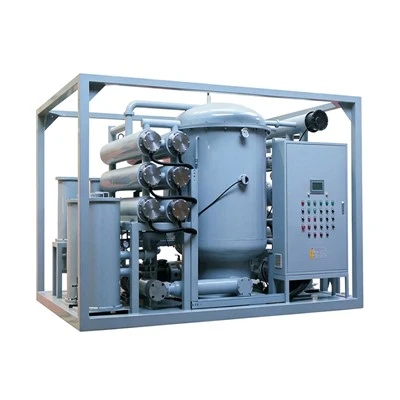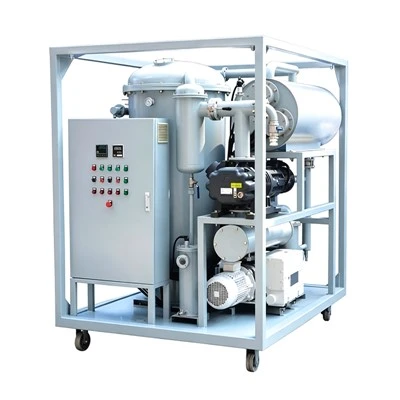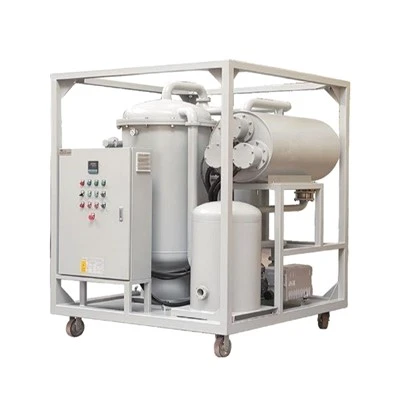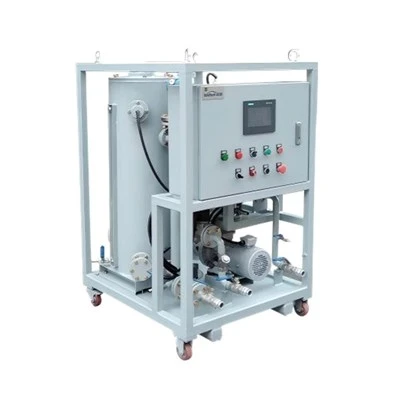

1. During operation, the oil-water mixture enters the primary pipeline filter under a pressure differential, where large particulate impurities are removed. It is then pumped into the disperser via an inlet diaphragm pump (this pump is unnecessary if gravity feed or sufficient pressure head is available), ensuring the fluid to be treated is evenly dispersed.
2. The dispersed fluid enters the slow-flow permeator and permeates outward gradually. As the mixture flows slowly, the difference in density causes oil molecule clusters to rise and water molecule clusters to sink. Driven by Brownian motion, tiny oil droplets move randomly; they are blocked from moving downward by hydrophilic/oleophobic material, while upward movement leads them to a fine-droplet capture unit where they form clusters and rise rapidly. A coalescer then aggregates these rising droplets at the top of the oil-water separator.
3. The separated oil flows out through the oil discharge valve located at the top.
4. When the water level reaches the high-level mark, a sensor detects the presence of water, triggering the solenoid drain valve to open and discharge the water from the separator.
5. If the water requires advanced treatment to meet national discharge standards, the water separated by the oil-water separator is routed into a water purification filter.
6. The water purifier contains modified fiber material capable of removing residual fine oil droplets, as well as suspended solids and small particulate impurities.
7. When the differential pressure within the water purifier becomes excessive, a backwashing operation can be performed to flush away impurities and other substances adsorbed on the fiber material, allowing it to be reused.