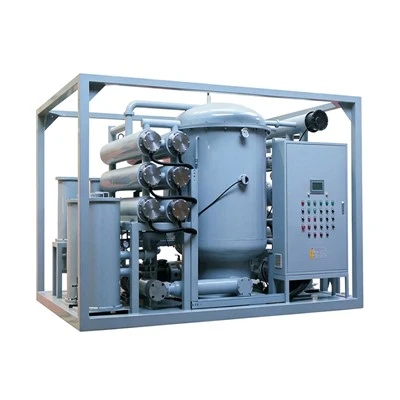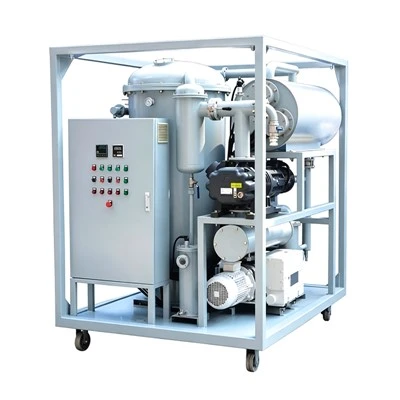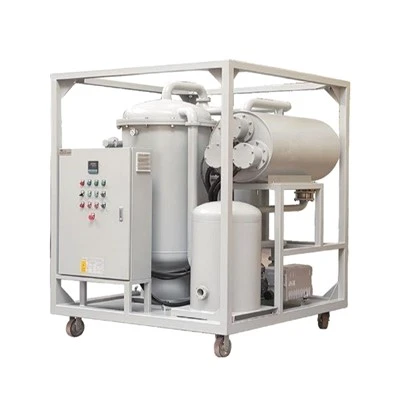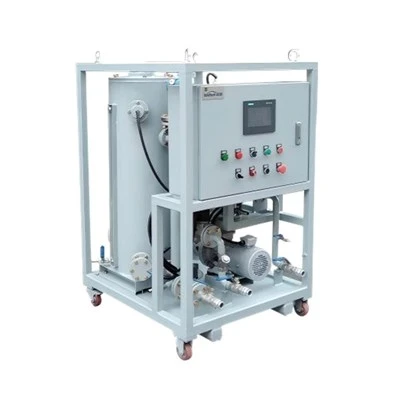

Oil-water mixtures arise in a wide range of contexts, such as the cleaning of oil tanks and storage equipment, process water injected during oil extraction, cooling and reaction water in the petrochemical industry, boiler feed water in power generation, cooling water in metallurgy, and wastewater containing oil and other contaminants from various other industrial and commercial operations. Equipment designed to treat these mixtures promotes environmental protection and energy conservation while helping to conserve water resources.
Due to their differing chemical properties, oil is insoluble in water; while much of the oil exists as a floating surface layer, a significant portion is present as dispersed, emulsified, or dissolved oil (as well as oil bound to solid particles). These forms of oil are difficult to separate from water using conventional methods, which often have limited efficacy. Discharging oil-water mixtures directly not only causes severe environmental pollution but also wastes valuable oil and water resources. Oil pollution poses a major threat to environmental protection and ecological balance; therefore, the separation, recovery, and reuse of oil and water constitute a vital initiative for environmental conservation and resource optimization.