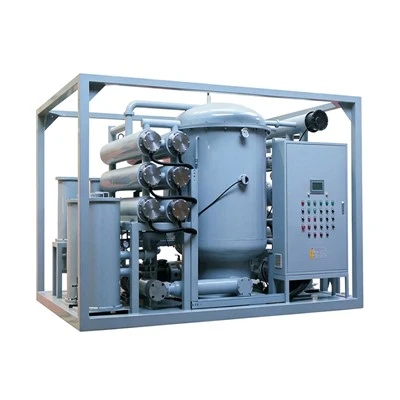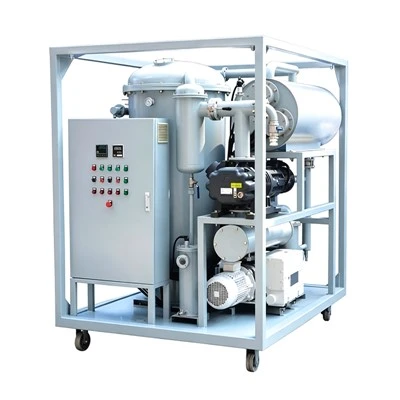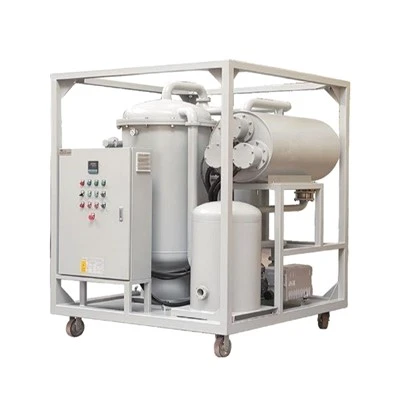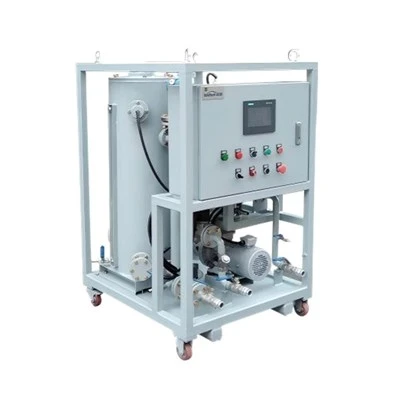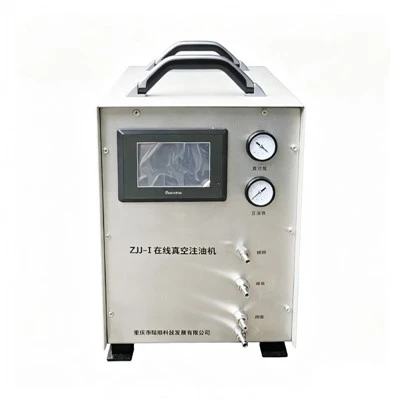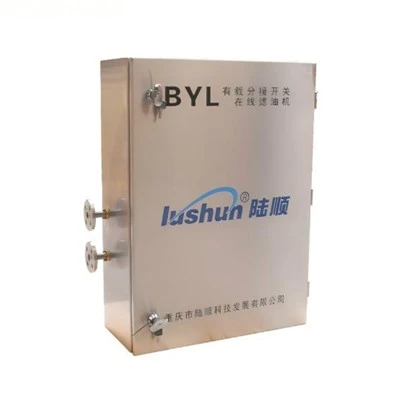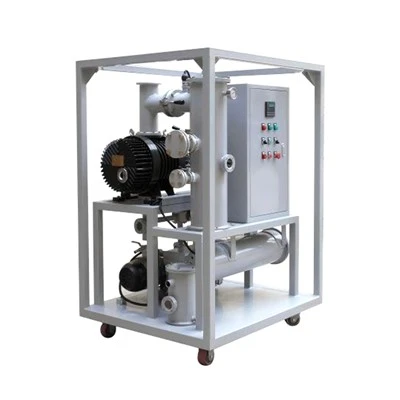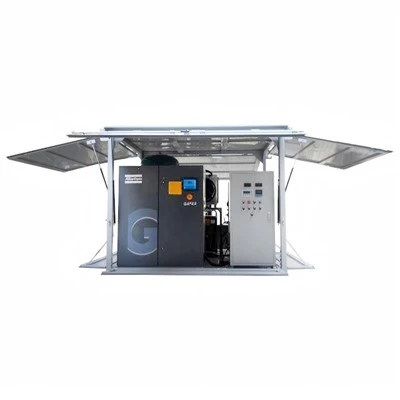

1. Material Selection: Components are typically manufactured from materials offering good electrical conductivity and explosion-proof properties. For instance, the housing may be made of metal-such as aluminum alloy-to ensure structural strength while effectively dissipating static electricity. Internal components, such as piping and valves, are also made from materials suitable for explosion-proof environments to prevent sparking caused by friction or other factors.
2. Sealing Performance: The equipment features a robust sealing design that minimizes the risk of combustible gases or flammable dust entering the unit. Specialized sealing materials and techniques are employed at sealing points to ensure leak-free operation, thereby preventing hazardous contact with external flammable or explosive substances.